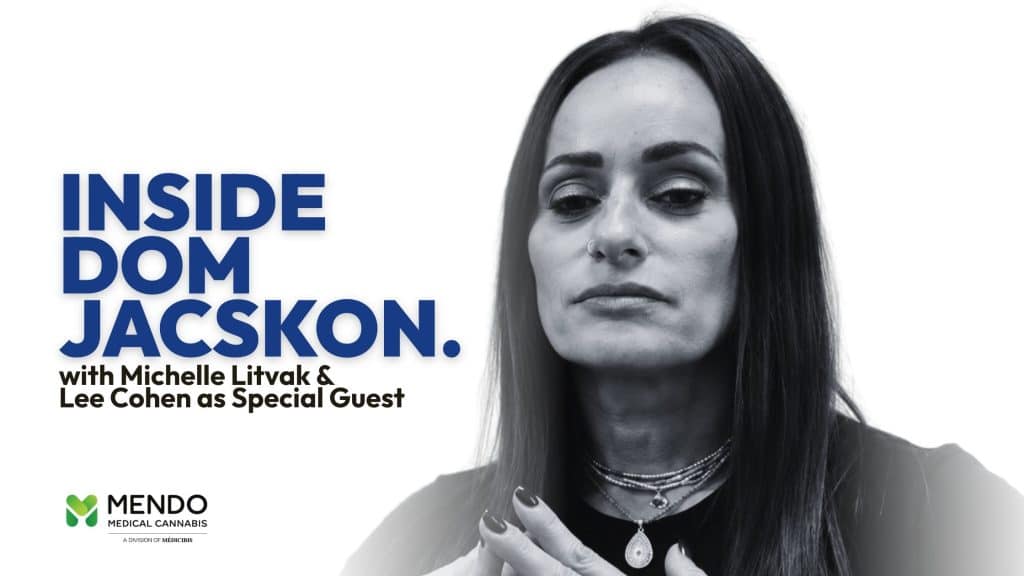
This article is part of the Mendo Education Series and is intended to help members better understand cannabis products, production methods and member considerations.
A cannabis brand’s name tells members little about the decisions behind its products. Choosing cultivars, establishing growing relationships and selecting material for extraction can involve several businesses, each responsible for a different part of production. Understanding those relationships provides context that a THC percentage or product photograph cannot.
For Dom Jackson CEO Michelle Litvak, developing the company has meant bringing those pieces together. Her background in sales and cannabis concentrates informs her work with the brand, while cultivation partnerships have become an important part of its operations. Alongside flower, the company’s Fume concentrate brand extends that work into extracts, where the source material is another part of the product’s story.
Michelle describes a business shaped by a small team, changing production costs and deliberate decisions about its cultivar selection. Joined by Lee Cohen, whom she credits with establishing the company’s contract-growing relationships, she connects those operational details with a broader question for Mendo members: how can suppliers explain their products while preserving the distinct role of medical guidance?
Watch the Full Interview
Watch the full discussion with Michelle Litvak and Lee Cohen on Mendo Medical’s YouTube channel for more on Dom Jackson’s development, cultivation partnerships, concentrate production and perspective on medical access.

From Wholesale Sales to Cannabis Leadership
Michelle spent 18 and a half years in the fashion industry, selling Buffalo jeans wholesale across Canada. She describes a mentor who gave her an opportunity early in her career and a long period of learning within that business. When the pandemic disrupted retail, she began considering a different direction.
Her move into cannabis began at Canmart, where she worked on bringing concentrate brands to market. That experience introduced her to the commercial development of extracts during the period commonly called Cannabis 2.0, when additional product categories entered Canada’s regulated market. It also established relationships that would later inform her work on Fume.
Dom Jackson became a more substantial commitment after Michelle had already been working with the brand. When its previous owner considered selling the business to someone else, she had invested considerable effort in its development. Taking over as CEO put her in a different position, responsible for the company’s costs, partnerships and direction as well as its sales.
That transition required learning beyond her existing experience. Michelle speaks openly about initially lowering prices, then revising them after becoming more familiar with the underlying numbers. Her account illustrates how moving into leadership can change the way someone understands a product, from what it takes to introduce it to the market to what it takes to keep producing it.
How Cultivation Partnerships Shape the Brand
Dom Jackson’s production model includes white-labelling and contract grows, according to Michelle. The company therefore works through relationships with growers rather than presenting every product as something cultivated within one company-owned facility. For members, this helps distinguish the brand responsible for selecting and presenting a product from the businesses involved in growing it.
Michelle credits Lee with bringing in the company’s contract-growing relationships. Her earlier cannabis work had centred on concentrates, while his connections helped develop the flower side of the business. Their respective backgrounds inform different parts of the operation.
Cultivar selection is one area where those responsibilities meet. Michelle describes an intentional approach to the lineup, recognising that her own preferences should not determine every selection. The discussion includes Banjo, Green Congo and Toad Venom, along with other genetics being considered or developed at the time.
Those names identify parts of the company’s cultivation work, but they do not establish predictable medical effects. For members, the useful questions concern what is being grown, how the supplier describes it and what information is available about the finished product. A cultivar name alone cannot answer whether a product is appropriate for an individual’s circumstances.
Understanding the Costs Behind Craft Production
Michelle’s experience with pricing provides a practical view of the pressures involved in running a small cannabis brand. She describes learning that the company could not simply match lower prices elsewhere without considering its own production arrangements and costs. Toad Venom was one example she gave of a cultivar that was more expensive for the business to grow.
Those differences help explain why pricing decisions may vary within a brand’s own lineup. They do not establish that a more expensive product is more suitable for medical use or that price reliably measures production standards. Michelle’s account concerns the economics of her company, rather than a rule members can apply to every product.
The discussion also touches on flower size through the company’s Loud Littles line. Michelle describes using smaller flowers and discusses under-canopy lighting at participating grows. The team reports comparing cannabinoid and terpene results from upper and lower flowers, although no batch testing records were provided in the interview.
This introduces a useful distinction between appearance and measured composition. Flower size is a visible characteristic, while cannabinoid and terpene concentrations require testing. The company’s account of its growing practices provides production context, but it should not be treated as independent confirmation that all flowers or batches have identical profiles.
Fume and the Role of Starting Material
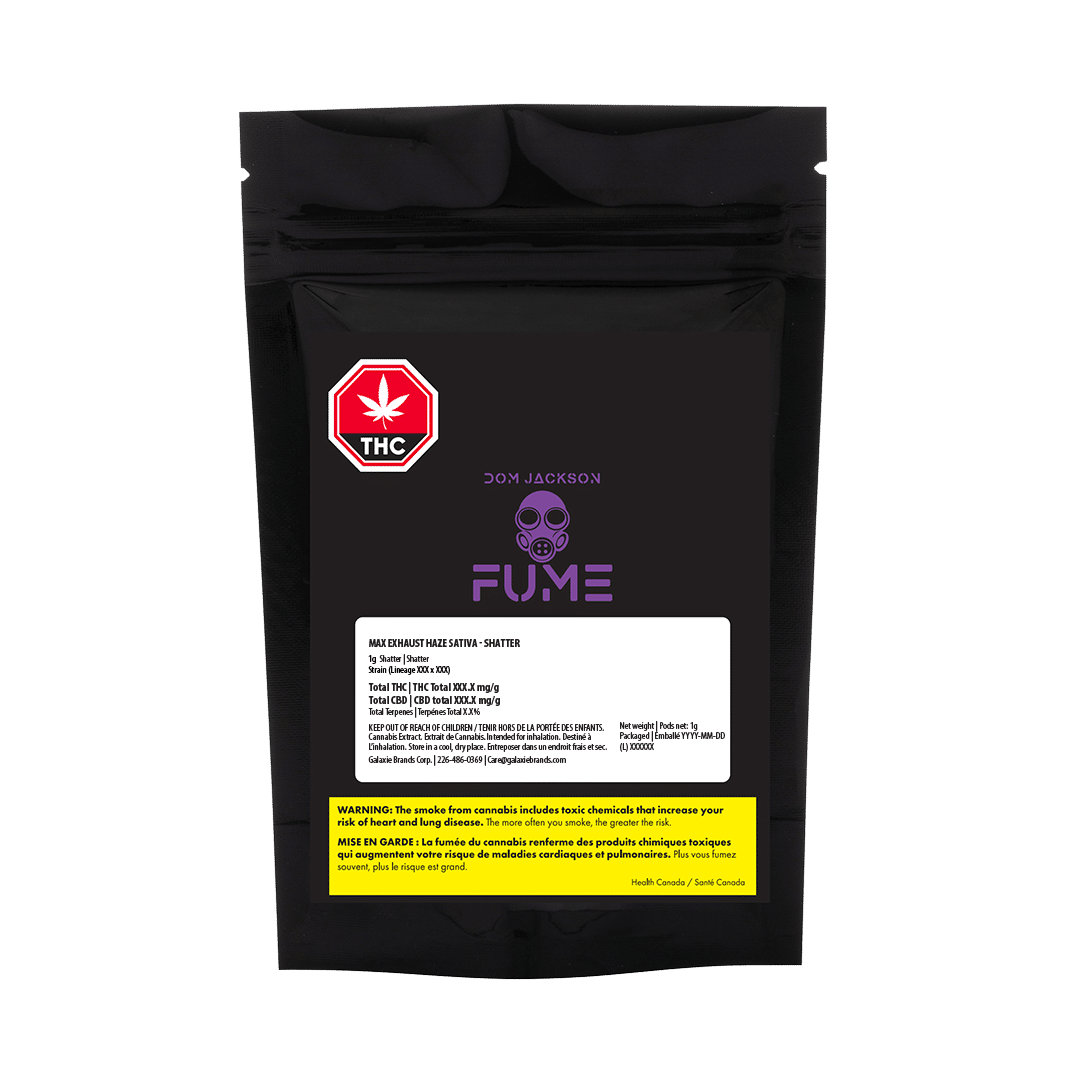
Fume developed from Michelle’s earlier experience with concentrates and her relationships within that part of the industry. Working with Dom Jackson gave her an opportunity to connect a flower brand with a separate concentrate line and extraction partners.
Michelle and Lee describe using material from individual cultivars for Fume extracts, including shatter and sugar wax. They contrast that approach with combining material from several cultivars before extraction. Their emphasis is on selecting the source material before processing, rather than treating the extract’s final format as its entire identity.
For members, “single cultivar” describes where the material comes from. It does not establish a medical benefit or guarantee a particular response. Similarly, a category name such as shatter does not tell members which cultivar was used or whether material from several cultivars was combined. Source material and finished format answer different questions.
The guests also discuss plans to use some of the same cultivars across flower and extract formats. That creates a connection in production, but a shared cultivar name should not be read as a promise of equivalent effects. The finished product’s composition, dosage and method of use remain relevant considerations, including in discussions with a healthcare professional.
Moving the Discussion Beyond THC Percentage
Michelle’s work in retail settings has given her a close view of the questions people ask about cannabis. She describes frustration with expectations that flower should meet a high THC threshold, alongside signs that some conversations are becoming more detailed. In particular, she has noticed more interest in terpenes among some retail staff and visitors.
That observation is specific to her experience, rather than evidence of a change across the entire market. It nevertheless highlights an educational challenge: a single number can become a shortcut for assessing a product, leaving its other characteristics unexplored.
Broadening the discussion requires care. Replacing an exclusive focus on THC with promises about terpenes would leave members with another oversimplification. Health Canada’s evidence review identifies a need for further research into how cannabinoids and terpenoids interact and influence effects. An aroma description or terpene profile should therefore not be presented as a dependable guide to a clinical outcome.
Michelle’s recognition that her preferences are not universal is relevant here. A supplier can explain why it selected different cultivars and what distinguishes their reported profiles. That information can support understanding without turning an individual’s experience into an expectation for everyone else.
Medical Access Includes Ongoing Support
Michelle’s case for maintaining a distinct medical cannabis system centres on what happens as a person’s circumstances change. She describes check-ins with doctors as part of her own experience and sees those ongoing conversations as an essential part of medical access.
Product education and clinical guidance address different needs. A supplier can explain cultivation arrangements, extraction inputs or product composition. A qualified healthcare professional can consider those details alongside a member’s health history, other medications and treatment goals. Clear information from a brand can contribute to that discussion, but it cannot replace the individual assessment.
Lee reinforces this point by raising medication interactions and the importance of considering other medicines someone may be taking. Health Canada advises discussing cannabis use with a healthcare provider, particularly when other medications or health conditions are involved. Its guidance also recommends monitoring effects and sharing that information so the product, dosage and method of use can be reviewed.
For Dom Jackson, the work Michelle describes extends from establishing production relationships to explaining what those relationships produce. For members, understanding that process helps put product information in context. It also makes the boundary clearer between what a supplier can explain about its operations and what needs to be considered through ongoing medical care.
Key Takeaways
- Michelle Litvak’s background includes wholesale fashion sales and cannabis concentrate development before becoming CEO of Dom Jackson.
- Dom Jackson’s production model includes white-labelling and contract grows, according to Michelle.
- Michelle credits Lee Cohen with establishing the company’s contract-growing relationships.
- The team describes using single-cultivar starting material for Fume extracts, including shatter and sugar wax.
- Product format, source material and measured composition describe different aspects of a cannabis product.
- THC percentages, terpene profiles and cultivar names do not establish a predictable medical outcome.
- Ongoing medical support provides an opportunity to review changing needs, other medications and individual responses.
About Michelle Litvak
Michelle Litvak is the CEO of Dom Jackson. She spent 18 and a half years in wholesale fashion sales before entering the cannabis industry through Canmart, where she worked on bringing concentrate brands to market. Her subsequent work includes developing Fume alongside Dom Jackson and taking responsibility for the company’s business direction. Lee Cohen joined the discussion and contributed perspectives on cultivation, extraction and medical access.
Frequently Asked Questions
Does Dom Jackson grow all its own cannabis?
Michelle describes a production model that includes white-labelling and contract grows. She credits Lee Cohen with establishing the company’s contract-growing relationships. The interview does not provide a complete facility-by-facility account of production.
What is Fume?
Fume is the concentrate brand Michelle developed alongside Dom Jackson. The discussion covers formats including shatter, sugar wax and resin, with particular attention to the material selected for extraction.
What does single-cultivar extraction mean?
In this discussion, it means using material from one cultivar rather than combining material from several cultivars before extraction. That describes the source material, not a clinically established benefit or a guarantee of particular effects.
What are Loud Littles?
Michelle describes Loud Littles as a line containing smaller flowers. She also discusses under-canopy lighting and the team’s comparison of upper and lower flower testing results. Those are company descriptions; the interview does not include batch records independently confirming the reported similarities.
Does a cultivar produce the same effects in flower and extract formats?
A shared cultivar name does not establish equivalent effects across different formats. The finished composition, dosage and method of use are relevant considerations. Members can discuss these differences with a qualified healthcare professional.
Why does Michelle believe a separate medical cannabis system matters?
She emphasises follow-up with healthcare professionals as members’ circumstances change. Lee also highlights the importance of reviewing other medications and potential interactions. Both distinguish access to medical guidance from information about the products themselves.
Why should members look beyond THC percentage?
THC percentage describes one part of a product’s composition. It does not explain its cultivation history, extraction inputs or suitability for an individual member. Other product information can add context, while questions about medical use require an individual clinical discussion.