This article is part of the Mendo Education Series and is intended to help members better understand cannabis products, production methods and member considerations.
THC percentage tells only part of a cannabis product’s story. It does not explain why a formulation includes several cannabinoids, how its ingredients were selected or why the same brand develops oils, tablets and topical formats. Those decisions happen well before a finished product appears on a medical platform.
For ufeelu, formulation is the starting point. Marketing lead Alexandrea Scott describes a small team that develops its own formulations and works with manufacturing partners to bring them into production. Its work encompasses CBD, minor cannabinoids, terpenes and blends containing THC, with attention to practical details such as flavour, texture and packaging.
For Mendo members, understanding that process provides a different way to read a product description. Beyond the cannabinoid numbers are questions about composition, format and the evidence behind a manufacturer’s claims. Scott’s perspective connects those questions with another part of medical cannabis that can be overlooked: the education and ongoing support surrounding access.
Watch the Full Interview
Watch the full discussion with Alexandrea Scott on Mendo Medical’s YouTube channel for more detail on ufeelu’s formulation process, education work and perspective on medical access.

Moving the Discussion Beyond THC Percentage
Alexandrea entered the cannabis industry after working in real estate and recruiting. During the pandemic, she moved into cannabis retail to learn the industry from the ground up, later taking on work with licensed producers. Her involvement with ufeelu began with social media support and expanded into a full-time role covering marketing and education.
That retail background shaped her understanding of the information people receive about cannabis. She recalls conversations frequently narrowing to THC percentage and price, leaving little room to explain other cannabinoid profiles or product formats. In her experience, some people were unfamiliar with CBD-focused and balanced options because those possibilities had never been part of the discussion.
This is an educational gap rather than evidence that one profile is preferable to another. A THC percentage does not describe every ingredient in a formulation, and the presence of additional cannabinoids does not establish a particular therapeutic result. Members need enough information to understand what a product contains without being asked to treat its name or positioning as a promise.
The distinction between CBD and THC is particularly relevant. Health Canada identifies THC as the component responsible for cannabis’s intoxicating and impairing effects. CBD is not intoxicating, but it still has effects, and CBD products may contain some THC. A CBD-focused description therefore does not replace checking the label.
How a Small Team Develops Formulations
At the time of the interview, ufeelu had seven people on its team. Alexandrea describes a division of responsibilities in which the brand handles formulation and research and development, then works with manufacturing partners on production.
“We formulate, we do the R&D,” she explains. “But then we take that formulation to our partners and we say, ‘Hey, this is what we need. Can you scale it?’”
That distinction helps explain the role of a formulation-led brand. Developing a product and manufacturing it at scale are connected tasks, but they are not necessarily performed by the same business. The formulation establishes what the team wants to produce; manufacturing partners help translate that specification into a finished format.
For ufeelu’s oils, Alexandrea identifies sunflower oil, a broad-spectrum CBD base and terpenes as parts of the formulation. She describes the team assessing combinations before release, including their flavour. These assessments inform product development, but internal evaluation should not be confused with clinical testing or proof of a health benefit.
The same attention to ingredients extends to flower blends. Alexandrea describes combining CBD flower with THC-containing flower to create different profiles, considering both the intended blend and its sensory characteristics. Partners discussed include Terracraft Farms, 67 Sins and Unit 15.
For members, the useful distinction is between a formulation’s design and its measured contents. A description of how flower is blended does not, by itself, establish the final cannabinoid concentration. The finished product’s label remains the relevant reference for the amounts it contains.
Why Format Is Part of the Formulation
A formulation also has to work within its delivery format. An oil, a swallowed tablet and a topical stick have different physical requirements, even when some of their cannabinoid ingredients overlap.
Alexandrea describes ufeelu’s Moments tablets as using Aspire’s RapidSense technology and incorporating terpenes into the formulation. She also discusses reports of a relatively quick onset, while acknowledging that she did not have study documentation supporting the timing described. Those reports should be understood as feedback, not a clinically established onset window or a guarantee of predictable effects.
The Feel Stick offers a more tangible example of how formulation changes can address a practical issue. According to Alexandrea, its base includes beeswax and cocoa butter, alongside a cannabinoid formulation containing CBD, CBG and CBC. An earlier version contained more beeswax, which made the application less smooth than intended. The team subsequently increased the cocoa butter proportion to improve glide.
That adjustment illustrates a distinction between therapeutic claims and physical product design. A change in texture can be described without claiming that the product treats pain or inflammation. Similarly, identifying CBC in a topical explains part of its composition; it does not establish what that ingredient will do for an individual member.
Packaging receives attention for much the same reason. Alexandrea says the Feel Stick places its child-resistant mechanism on the outer packaging, with a twist-off closure on the stick itself. She describes ease of handling as a consideration, particularly for people who find some closures difficult to operate. Safe storage remains essential: Health Canada advises keeping cannabis in its original child-resistant packaging, out of sight and reach of children and pets.
Understanding ufeelu’s Different Product Formats
The interview covered several product categories, each involving different formulation considerations and methods of administration.
Oils and Oral Formulations
ufeelu’s oils use cannabinoid formulations that Scott described as incorporating broad-spectrum CBD, selected minor cannabinoids and terpenes. She also discussed sunflower oil as part of the formulation.
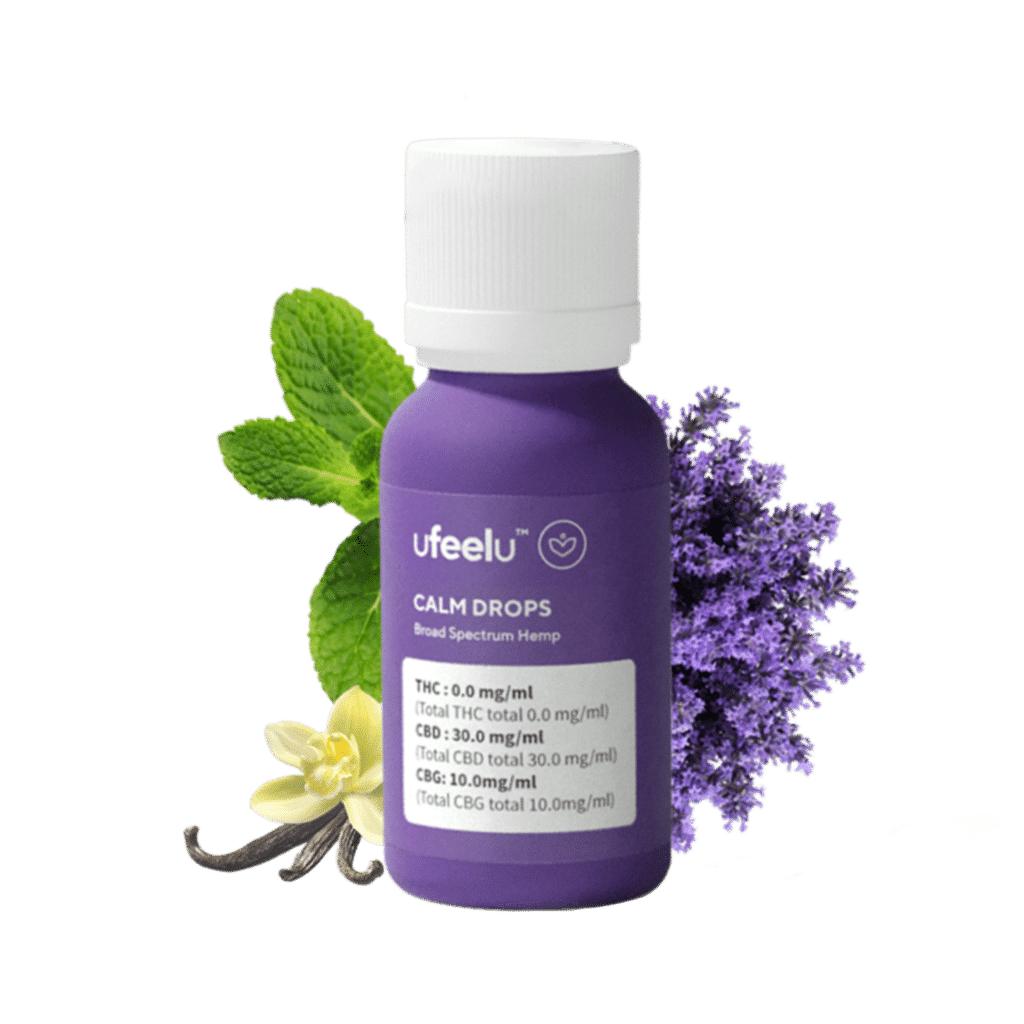
Oral cannabis oils differ from inhaled products in how cannabinoids are absorbed and processed by the body. Depending on how an oil is administered, its onset and duration may vary considerably.
For members, understanding these differences is important because oral cannabis products can have delayed and variable effects. The presence of minor cannabinoids or terpenes does not eliminate that variability.
Moments Tablets and RapidSense Technology
Another topic was ufeelu’s Moments product line, which uses RapidSense technology supplied through its relationship with Aspire.
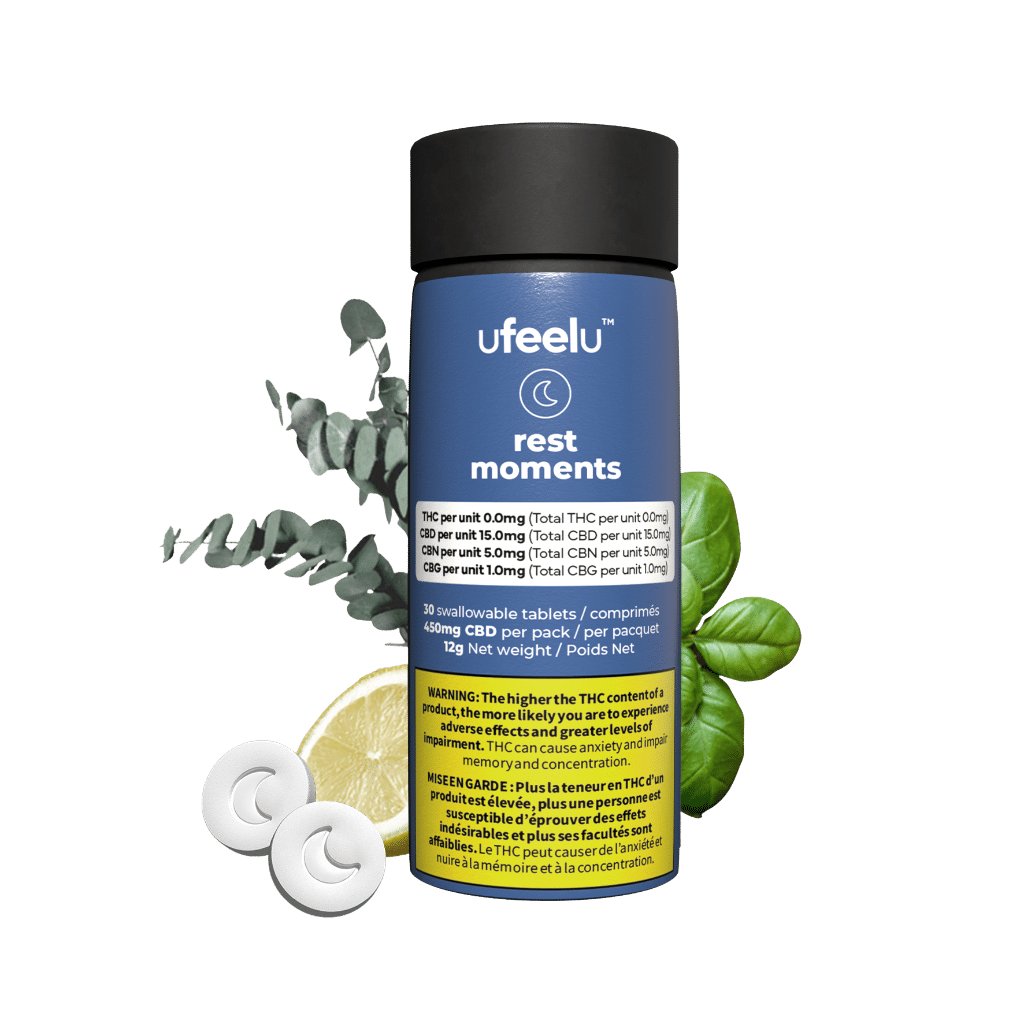
Scott explained that the tablets were developed as an alternative oral format and described the technology as intended to influence how the cannabinoids are delivered and absorbed.
During the conversation, she reported receiving feedback suggesting an onset of approximately 15 to 20 minutes. However, she acknowledged that she did not have supporting study documentation available during the interview.
That reported time frame should therefore be understood as anecdotal feedback, not a clinically established onset time or guarantee of performance.
Scott also discussed the inclusion of terpenes in the Moments formulations, explaining that they are selected as part of the company’s formulation approach rather than primarily for flavour.
Members considering oral cannabis products should be aware that onset, duration and individual responses can vary. Claims about faster or more predictable absorption require appropriate product-specific evidence.
The Feel Stick and Topical Formulations
One of the more detailed product discussions concerned the ufeelu Feel Stick, a topical formulation with roots in the company’s earlier history.
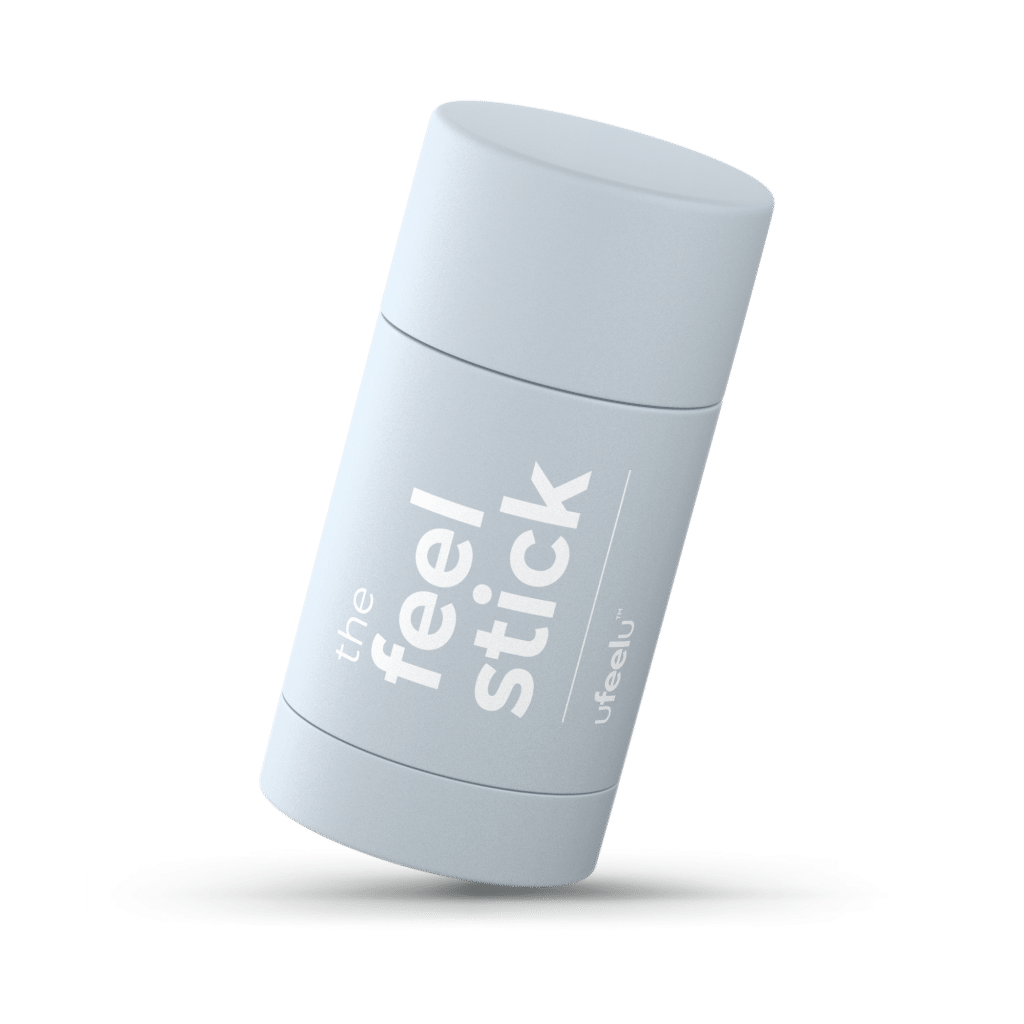
Scott explained that the product existed under a different name before the company entered Canada’s regulated adult-use market, when it was renamed the Feel Stick.
The formulation includes CBD, CBG and CBC, along with a base containing beeswax and cocoa butter. Scott described the importance of the base ingredients in creating a product that maintains its physical form while remaining easy to apply.
The company has also adjusted the relative proportions of beeswax and cocoa butter over time to change the consistency and application characteristics.
Topical cannabis products represent a distinct category from inhaled and orally consumed products. Their composition, intended application and absorption characteristics should be considered separately from other methods of administration.
Although Scott discussed the inclusion of CBC and its potential role in topical formulations, the interview did not provide clinical evidence demonstrating therapeutic effectiveness for the finished product.
Vapourizer Formulations and Balanced Cannabinoid Profiles
Scott also discussed ufeelu’s vapourizer products, including the Dream Pen and Flow Pen, along with formulations involving CBD and THC.

The conversation touched on the company’s interest in products with different cannabinoid proportions rather than concentrating exclusively on high-THC formulations.
Scott also referenced a CBD resin vapourizer and a balanced 50:50 formulation as products in development at the time of the interview. Their current commercial availability was not independently verified.
From an educational perspective, vapourizer products raise different considerations from oils and tablets, including inhalation-related risks, cannabinoid concentration, formulation ingredients and device characteristics.
Members should discuss the suitability of inhaled cannabis products with their healthcare professional, particularly if they have respiratory or cardiovascular concerns.
Education Depends on Listening
A small team cannot be present in every store or at every event. Alexandrea has responded by developing digital educational materials, including modules and quizzes for retail staff. This allows the company to explain its formulations and formats beyond an in-person visit.
Her work with medical communities provides a different source of information. At events such as Heroes on the Green, she has met people already familiar with cannabinoid products who want to discuss what they contain, how they are used and what questions remain unanswered. She describes these exchanges as opportunities to listen as much as explain.
That feedback can travel directly into the business. Alexandrea manages social channels and emails, placing her close to the questions people raise. As she puts it, “When you have a smaller team too, the feedback doesn’t get lost in the chain.”
The value of that feedback is practical. Questions can reveal unclear product information, difficulties with packaging or interest in formats the company has not developed. Individual reports can inform those decisions without serving as evidence that a formulation will produce the same result for others.
Medical Access Includes More Than Product Availability
Alexandrea sees the medical channel as important for both continuity and support. She describes consistent availability as a priority for ufeelu’s relationships with medical platforms, although that priority should not be read as a guarantee that a particular product will always be in stock.
For members, continuity also means knowing where to bring questions when circumstances change. A supplier can explain a formulation or clarify its ingredients. A qualified healthcare professional can consider those details alongside a person’s medical history, other medications and treatment goals. Those roles complement one another, but they serve different purposes.
This matters for CBD as well as THC. Health Canada advises people to disclose prescription drugs, non-prescription drugs and natural health products because cannabis can interact with other substances. Its scientific advisory review of CBD also identifies potential medication interactions as a safety concern.
For ufeelu, the work Alexandrea describes extends from choosing ingredients to responding to questions about a finished product. For members, understanding those steps helps separate what a manufacturer has designed, what a label confirms and what requires a clinical discussion. Each answers a different question, and all three matter when making sense of medical cannabis information.
Key Takeaways
- Medical support includes reviewing medication interactions and addressing questions beyond product ingredients.
- ufeelu develops formulations internally and works with manufacturing partners to produce them at scale.
- Its approach includes CBD, minor cannabinoids, terpenes and formulations containing THC.
- THC percentage alone does not describe a product’s full composition.
- Format introduces practical considerations such as tablet design, oil ingredients, topical texture and packaging.
- Internal testing and individual feedback are not substitutes for clinical evidence.
- Alexandrea describes education and direct feedback as central parts of her role.
About Alexandrea Scott
Alexandrea Scott is the marketing lead at ufeelu. Her background includes real estate and recruiting, followed by cannabis retail and work with licensed producers. At ufeelu, her responsibilities have grown from social media support into marketing, education, digital training materials and community engagement.
Frequently Asked Questions
What is ufeelu’s approach to cannabis formulation?
Alexandrea describes an approach built around selecting and combining ingredients for specific product formats. The team develops formulations and conducts research and development internally, then works with manufacturing partners to produce them.
Does ufeelu manufacture everything itself?
According to Alexandrea, ufeelu operates as a brand with its own formulation and development work, supported by external manufacturing partners. At the time of the interview, its internal team consisted of seven people.
Which cannabinoids were discussed?
The interview covers THC, CBD, CBG and CBC. Alexandrea specifically identifies CBD, CBG and CBC in the Feel Stick formulation. Their inclusion describes the product’s composition and should not be interpreted as proof of a particular therapeutic effect.
What are Moments tablets?
Moments are a tablet format that Alexandrea describes as incorporating Aspire’s RapidSense technology. She discusses feedback about onset, but does not provide clinical study documentation establishing a specific onset time.
What formulation change was made to the Feel Stick?
Alexandrea says the team increased the proportion of cocoa butter after finding that an earlier version contained too much beeswax for the application texture they wanted. The adjustment was intended to make the stick glide more smoothly.
Why is medical guidance relevant to CBD products?
CBD is not intoxicating, but it can still have effects and may interact with medications. A healthcare professional can review those considerations alongside a member’s medical history and other treatments.
Are ufeelu products available on Mendo Medical?
Yes! Registered members with an approved medical document can browse and shop ufeelu products on their brand page.